
2026 Top Shoe Stretcher Tree Buying Guide for Global Buyers

Global buyers face a crowded market for the Shoe Stretcher Tree in 2026. Product photos may look similar, yet small details affect fit and service life. Buyers should compare wood type, adjustability, contact points, and finish quality. A smooth, well-shaped tree should apply steady pressure without digging into the lining. Check whether the design targets the toe box, instep, width, or several areas. One tool rarely solves every fit issue.

Footwear historian Dr. William A. Rossi is often credited with the observation, “Shoes don’t fit feet; feet fit shoes.” That idea helps explain why careful shoe care matters, but stretching should remain gradual. For this guide, we examine practical buying factors: sizing ranges, materials, construction, intended shoe styles, and supplier consistency. We also consider sample testing, packaging, and clear product specifications, which can reduce avoidable surprises in international orders. A beechwood model may feel sturdy in hand; a rough seam or poorly placed knob can still mark delicate leather. Details matter.

No guide fits every shoe. Buyers should test samples against their own footwear and review supplier claims carefully. We will compare common designs and outline questions to ask before placing an order. Some recommendations may need revisiting as product materials and buyer needs change. That is worth admitting. The best Shoe Stretcher Tree is not simply the most expensive or adjustable option. It is the one that suits the intended shoes, applies controlled pressure, and performs consistently in real use.
2026 Top Shoe Stretcher Tree Buying Guide for Global Buyers

What Shoe Stretcher Trees Are and How They Work

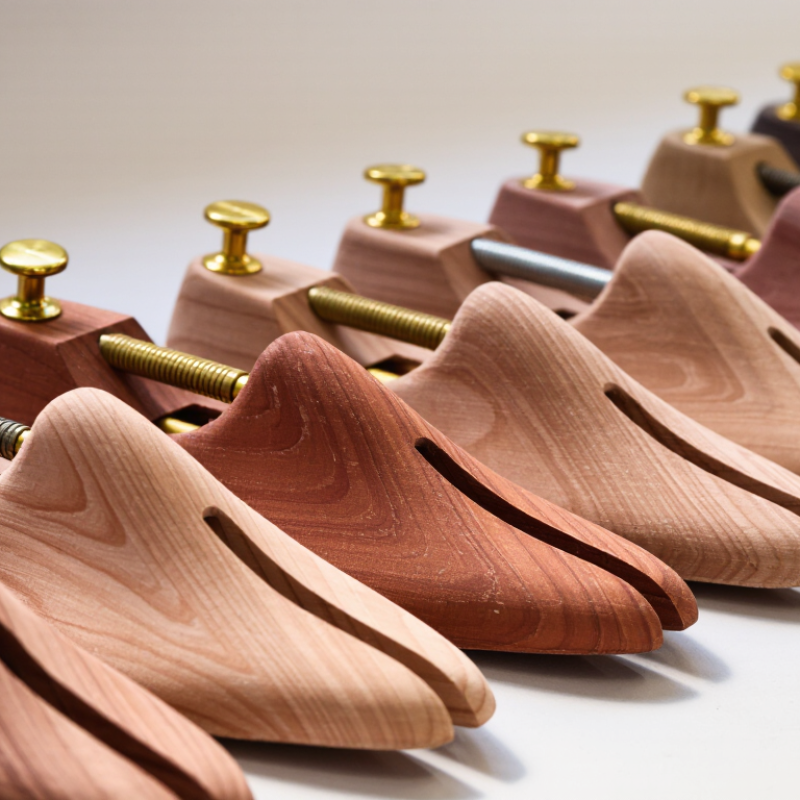
Shoe stretcher trees are adjustable forms placed inside shoes to ease tight areas and help maintain shape. Unlike ordinary shoe trees, which mainly support the upper as shoes rest, stretchers apply controlled outward pressure. Many models use a turning knob or screw to widen the toe area. Some include small plugs that target pressure points, such as a bunion area. The fit should feel snug, not forceful.

As the stretcher expands, it gradually presses the shoe material outward. Leather may yield more readily than many synthetic materials, but results depend on construction, finish, and fit. A stretcher cannot reliably fix a shoe that is much too small. I have found that this distinction is easy to miss when shopping: “stretching” sounds simple, but each shoe responds differently. Small changes matter.

Tips: Insert the stretcher gently, then turn the adjuster a little at a time. Leave it in place for several hours, following the maker’s instructions, and check the fit before repeating. Do not force it. Stop if seams strain, the upper creases sharply, or the shoe shows damage. Test delicate finishes in an inconspicuous spot, and remember that a shoe tree is not always a stretcher.

Types, Materials, and Designs for Different Footwear

A shoe stretcher tree should match the footwear’s shape and the area that feels tight. Two-way models adjust both length and width, while one-way designs focus on a single dimension. Small plugs can target pressure points near a bunion or a narrow toe box. Fit matters. A stretcher that is too large may distort seams instead of easing the fit.

Material affects weight, handling, and durability. Beechwood is dense and steady; cedar is also sturdy, though its scent and moisture-absorbing qualities may appeal to some buyers. Plastic models are lighter and often easier to store, but their adjustment mechanisms can feel less precise. Metal rods and screws should turn smoothly, without forcing. Check the joints.

Designs vary by shoe type. A low-profile stretcher suits loafers and many dress shoes, while a longer boot stretcher can address pressure along the shaft. High heels need a shape made for their angled interior; a standard model may not sit securely. For sneakers, check that the toe shape matches the shoe’s construction. Apply gentle pressure and make small adjustments over several hours. Results differ with leather, synthetics, and shoe construction, so a stretcher cannot reliably fix every tight fit.

How to Choose the Right Size and Shoe Compatibility

Choosing the right shoe stretcher starts with the shoe’s internal length and width, not just its marked size. Measure both shoes, since pairs can differ slightly. Compare the stretcher’s adjustment range with the shoe’s usable interior space, leaving room at the toe and heel. A tight fit can create pressure in the wrong places.

Check compatibility before buying. A standard two-way stretcher usually suits many rounded or gently tapered leather shoes, while pointed toes may need a shape-specific model. High-heeled shoes can require a dedicated stretcher because their angled footbeds do not match a flat tool. Boots also need enough shaft clearance. For delicate leather, suede, or bonded materials, test gently and follow the shoe maker’s care guidance; stretching cannot reliably fix every tight fit.

Go slowly. Insert the tool without force, then turn the handle in small increments. A few hours may be enough for mild pressure, but results vary with material, construction, and wear. I have found that buyers often focus on shoe size and overlook toe shape; that is an easy mistake. If the shoe creases sharply or the seams pull, reduce tension. Stretchers can ease small pressure points, but they cannot safely add a full size.

Key Quality, Safety, and Supplier Factors for Global Buyers

Global buyers need shoe stretcher trees that fit real footwear, not just a catalogue drawing. The World Footwear Yearbook 2024 estimates that 23.9 billion pairs of shoes were produced worldwide in 2023, with Asia accounting for about 88 percent. That scale makes consistent specifications important. Small details matter.

Inspect the tree’s finish, joints, adjustment range, and contact points. Rough edges can mark leather; loose hinges may apply uneven pressure. Ask for proof: request material declarations and test records relevant to your destination market. Check that the supplier can identify production batches and explain how defects are handled. A neat sample is useful, but it cannot confirm every production run.

Compare supplier quotations by material, dimensions, packing, inspection method, and lead time—not unit price alone. Ask for drawings and clear measurements, then test samples in several shoe sizes and materials. Keep notes on fit and adjustment; memory is unreliable. A polished sample can still hide batch variation, so sample review alone is not enough. Small trial orders may reveal packaging damage or inconsistent finishing before larger shipments begin.

2026 Top Shoe Stretcher Tree Buying Guide for Global Buyers

Key quality, safety, and supplier factors for global buyers

This buyer checklist uses a suggested 1–5 priority scale, where 5 means a factor deserves closer evaluation. It is a qualitative planning aid, not market research or a product test. Confirm material details, safe-use instructions, sizing, durability, and supplier documentation before ordering.

How to Compare Prices, Shipping, and After-Sales Support

2026 Top Shoe Stretcher Tree Buying Guide for Global Buyers
How to Compare Prices, Shipping, and After-Sales Support

For global buyers, the quoted unit price is only part of the cost. Compare the same material, size range, finish, and packaging across suppliers. Ask whether the price includes samples, custom sizing, or protective cartons. A low unit price can look less attractive once setup fees or export packing are added. Small details matter. Check the minimum order quantity and payment schedule before comparing totals.

Shipping estimates should include production time, carton dimensions, and the destination port or delivery address. Request both the estimated dispatch date and transit window. Freight costs can change when cartons are larger than expected. Worth checking. Before ordering, confirm how delays, damaged goods, or size discrepancies are handled. Ask who pays for replacement shipping and how quickly support usually responds. Clear written terms are more useful than a vague promise of help.

Tips: Compare the full landed cost, not just the product price. Keep supplier quotes and support terms in one table. One comparison may still miss seasonal freight changes, so leave room in your budget. Check that sample dimensions match the final order before approving production.

2026 Top Shoe Stretcher Tree Buying Guide for Global Buyers - How to Compare Prices, Shipping, and After-Sales Support

Use the comparison points below to request like-for-like quotations. Product specifications, shipping charges, delivery times, and warranty terms vary by supplier, destination, order quantity, and shipping method.

Comparison Dimension What to Request or Check Why It Matters Buyer Comparison Method
Product type Confirm whether the item is a shoe tree for maintaining shape, a shoe stretcher for easing tightness, or a combination product. These products serve different purposes and should not be compared as if they were identical. Compare quotations only among products with the same intended function.
Stretching directions Check whether adjustment is lengthwise, widthwise, or both, and whether separate attachments are included. Adjustment direction and included accessories affect usability and product value. List the included components and adjustment functions beside each quoted price.
Size coverage Request the stated shoe-size range and the sizing system used, such as US, UK, or EU. Confirm whether separate versions are supplied for different size ranges. Size labels differ between markets, and one model may not fit every shoe size. Compare the supplier’s size chart with the size range required for the target market.
Material and construction Ask for the material of the main body, handle, adjustment mechanism, and contact points. Request product photos or a sample where needed. Material and construction influence durability, weight, finish, and suitability for the intended shoes. Compare like-for-like materials and inspect the mechanism and contact surfaces.
Unit price basis Confirm currency, price per piece or pair, order quantity, packaging included, and any minimum order quantity. A price per piece is not directly comparable with a price per pair; quantity and packaging can also change the quoted amount. Normalize every offer to the same currency, unit basis, quantity, and packaging specification.
Additional charges Request separate amounts, where applicable, for samples, tooling, customized packaging, labels, inspection, and payment fees. A low product price may not represent the full purchasing cost. Calculate the total order cost using the same required extras for each supplier.
Shipping method and cost Ask for the shipping method, chargeable weight or volume, destination, and whether the quote is door-to-door or port-to-port. Freight cost depends on shipment size, route, service, and destination; the product price alone does not show landed cost. Compare shipping quotes for the same destination, quantity, service level, and delivery point.
Trade terms and import costs Confirm the agreed Incoterm and identify which party handles export, freight, insurance, import clearance, duties, and taxes. Responsibilities and costs differ by trade term. Import duties and taxes depend on the destination and applicable rules. Compare the full cost to the same delivery point and verify local import charges independently.
Production and transit time Request estimated production time and shipping time separately, with the start point for each estimate. Production and transit are different stages; a transit estimate alone does not indicate the total lead time. Record both estimates and ask how weekends, holidays, and customs clearance are treated.
Quality checks Agree on the inspection criteria for size range, adjustment operation, finish, included parts, and packaging before production. Clear acceptance criteria make it easier to identify defects and resolve specification disagreements. Use the same written checklist for samples, pre-shipment inspection, and delivered goods.
After-sales support Ask for the written defect-claim period, evidence required, response process, and remedy options for confirmed issues. Support terms vary; verbal assurances may not define how claims are handled. Compare documented terms, including whether replacement, refund, or credit is offered and who pays related shipping.
Sample and order approval Confirm sample availability, sample cost, whether the sample charge is credited against an order, and how final specifications are approved. A sample can help verify fit, adjustment, finish, and packaging before a larger purchase. Approve a documented sample and specification sheet before authorizing production.

Price comparison rule: Compare total costs on the same product specification, quantity, currency, packaging, trade term, destination, and delivery service. Request current written quotations rather than relying on a general market price.