Top Affordable Prefab Cabins for Global Buyers
For global buyers, Affordable Prefab Cabins offer a practical path to smaller, faster, and more manageable living spaces. However, affordability means more than a low factory price. Shipping distance, foundation work, local permits, insulation, utility connections, and after-sales support can change the final budget significantly.
Michelle Kaufmann, a respected architect and pioneer in prefabricated housing, said, “Prefab is not a style; it is a process.” Her observation remains important today. A well-designed cabin should simplify construction without ignoring climate, materials, or daily comfort. Buyers in Finland may need stronger insulation and snow-load protection. Customers in tropical regions may prioritize ventilation, shaded windows, and moisture resistance. One model cannot suit every site.
This guide examines leading Affordable Prefab Cabins for international buyers. It considers usable floor area, structural quality, transport requirements, energy performance, customization, and warranty clarity. These details matter. A beautiful cabin may still become expensive after delivery. A cheaper unit may require costly upgrades later. That is the uncomfortable part.
Real value needs careful comparison. Product photos are not enough. Buyers should request technical drawings, material specifications, installation terms, and realistic delivery estimates. They should also confirm local building requirements with qualified professionals. Mistakes happen. Even experienced buyers miss hidden costs. Our selection focuses on transparent options, practical features, and honest limitations, helping readers choose with greater confidence rather than relying on attractive prices alone.
What Defines an Affordable Prefab Cabin for Global Buyers
An affordable prefab cabin is not simply the cheapest unit on a website. For global buyers, affordability means controlling the full cost from factory to finished room. Freight, customs charges, foundation work, local labor, and utility connections can change the budget quickly. A careful buyer requests a detailed quotation with every excluded item clearly listed.
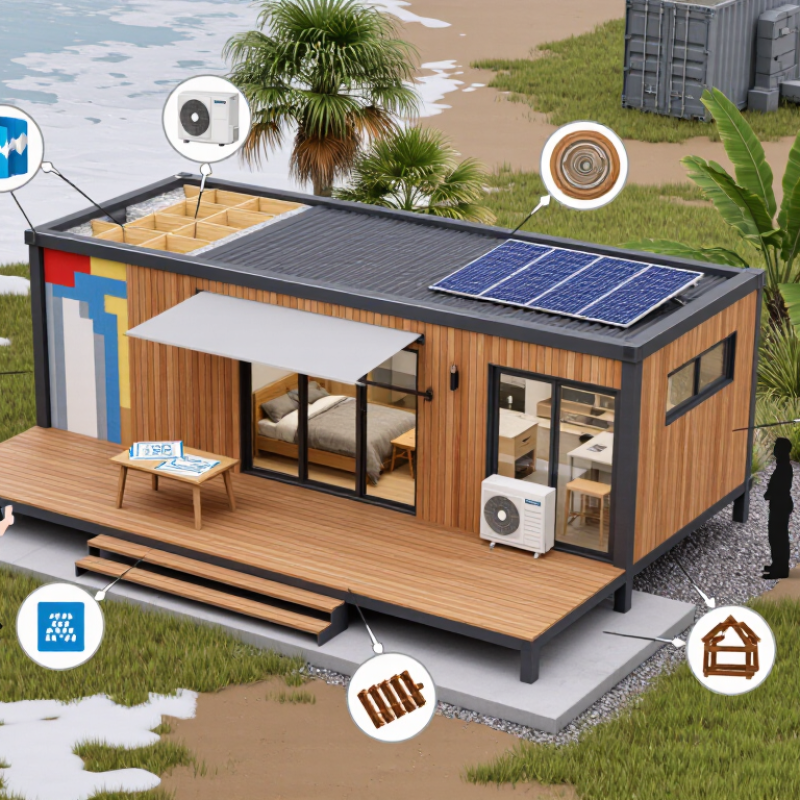
Climate suitability also defines value. A cabin for a snowy region needs stronger insulation, roof design, and moisture protection. In a hot coastal area, ventilation, corrosion resistance, and shading may matter more. Ask for material specifications, structural calculations, installation guidance, and test documentation. These details show whether the cabin is designed for real conditions, not only attractive photographs.
Size should match daily use. A compact cabin with a practical kitchen, bathroom, and storage may cost less to operate than a larger model. Check door widths, electrical standards, plumbing compatibility, and replacement-part availability in your country. An experienced installer can identify risks before delivery. Yet no checklist is perfect. Unexpected ground conditions or delayed permits may still increase costs. That uncertainty deserves an honest allowance in the budget. Reliability also depends on clear warranty terms, responsive technical support, and documented quality inspections before shipment. A low purchase price is useful only when the cabin remains safe, serviceable, and suitable for its location.
Top Affordable Prefab Cabins for Global Buyers - What Defines an Affordable Prefab Cabin for Global Buyers
Indicative market comparison for small prefabricated cabins; prices are in USD and exclude land, local taxes, shipping, foundations, and site utilities.
| Cabin Configuration |
Typical Floor Area |
Indicative Prefabricated Package Price |
Recommended Occupancy |
Typical Construction Format |
Best Use |
Affordability Advantage |
| Compact Studio Cabin |
18–25 m² |
US$15,000–30,000 |
1–2 people |
Panelized or flat-pack module |
Guest room, weekend retreat, short-term rental |
Small footprint reduces material, transport, and foundation costs |
| One-Bedroom Cabin |
30–45 m² |
US$25,000–50,000 |
1–2 people |
Factory-built timber or light-steel structure |
Full-time compact living, rental accommodation |
Balances private sleeping space with a relatively low build volume |
| Two-Bedroom Family Cabin |
45–65 m² |
US$40,000–75,000 |
3–4 people |
Volumetric module or panelized kit |
Small family residence, holiday home |
Standardized layouts limit design and engineering costs |
| Loft Cabin |
25–40 m² plus loft |
US$22,000–45,000 |
2–4 people |
Timber-frame or light-gauge steel frame |
Recreation, rural accommodation, holiday rental |
Uses vertical space to increase sleeping capacity without a larger foundation |
| Accessible Single-Level Cabin |
35–55 m² |
US$32,000–65,000 |
1–3 people |
Panelized or volumetric module |
Aging-in-place housing, accessible guest accommodation |
Simple circulation and repeatable dimensions reduce modification costs |
| Cold-Climate Cabin |
30–60 m² |
US$35,000–80,000 |
2–4 people |
Insulated panel or timber-frame structure |
Mountain, northern, and high-altitude locations |
Factory-controlled insulation and airtightness can reduce on-site labor |
| Hot-Climate Cabin |
25–55 m² |
US$20,000–55,000 |
2–4 people |
Lightweight panelized structure |
Tropical, subtropical, and arid destinations |
Passive shading and cross-ventilation may reduce cooling demand |
| Off-Grid Basic Cabin |
20–40 m² |
US$25,000–60,000 |
1–3 people |
Flat-pack or panelized kit |
Remote land, eco-tourism, temporary accommodation |
Can be paired with modular solar, water, and sanitation systems |
Key affordability criteria for global buyers:
compact floor plans, standardized components, flat-pack or panelized shipping, low foundation requirements, region-appropriate insulation, locally available finishes, and compliance with the destination country's building and electrical regulations.
Price ranges are indicative estimates for basic-to-mid-level prefab packages and can vary substantially by country, material specification, labor availability, transport distance, site access, foundation type, utilities, permits, and interior finish level.
Key Materials, Designs, and Construction Methods
Top Affordable Prefab Cabins for Global Buyers
Affordable prefab cabins depend on material choices, climate, and transport distance. Timber frames keep weight low and suit many rural sites. However, untreated wood can absorb moisture, warp, or attract insects. Factory-applied preservatives and raised foundations reduce these risks.
Insulated sandwich panels offer fast installation and consistent thermal performance. Their cores may use mineral wool, foam, or other tested insulation materials. Mineral wool improves fire resistance, while foam panels often reduce thickness and weight. Steel frames resist termites and humidity, but they can create thermal bridges without careful detailing. Fiber-cement siding provides a durable exterior, although it may increase cutting and labor costs.
Design should match the buyer’s climate, access, and daily use. Large windows brighten small cabins, yet they can increase heat gain or heat loss. A compact rectangular plan usually reduces material waste. Foldable furniture, loft storage, and cross-ventilation add practical value. Roof pitch matters in snowy or rainy regions. Local engineers should verify foundations, wind loads, drainage, and electrical requirements. Factory precision helps, but site work still decides much of the final quality.
Tips: Request a full cost breakdown, including shipping, foundation work, taxes, assembly, and utility connections. Ask for moisture, insulation, and structural test records. Inspect sample joints and roof edges. Cheap materials often become expensive repairs. Compare warranties carefully, because coverage may exclude installation errors or harsh local conditions. Reconsider oversized glazing if the cabin will face strong sun. Allow extra time; weather and customs delays are common.
How to Compare Prices, Sizes, and Included Features
Comparing affordable prefab cabins starts with the delivered price, not the factory price. Ask whether the quote includes transport, foundation work, assembly, taxes, and utility connections. These costs can change the final budget sharply. NAHB’s 2024 housing-cost survey reported an average construction cost of about $162 per square foot in the United States. This is not a prefab tariff, but it offers a useful local benchmark.
Size must be measured carefully. A 20-square-metre cabin may include only 16 square metres of usable interior space. Request floor plans, wall thickness, ceiling height, and storage details.
Grand View Research valued the global modular construction market at approximately $91.6 billion in 2022. Growing demand does not mean every small cabin offers equal value. Compare price per usable square metre, not price per advertised unit.
Included features need written proof. Check insulation ratings, window specifications, wiring, plumbing, heating, kitchen fittings, bathroom fixtures, and appliance allowances. Ask which standards apply in your destination country. A cabin with basic wiring may look affordable, but upgrades can become expensive after delivery. The comparison is imperfect. I would request three itemized quotations and verify lead times, warranty limits, and replacement-part access. A beautiful render proves very little.
International Shipping, Site Preparation, and Installation
Affordable prefab cabins can reach overseas buyers, but shipping is not a simple freight purchase. UNCTAD reports that more than 80% of global merchandise trade by volume moves by sea. A cabin may therefore spend weeks in containers, ports, and inland transport. Confirm the packed dimensions, gross weight, lifting points, moisture protection, and destination-port charges before ordering. Small errors become expensive.
Site preparation should begin while the cabin is still in production. The World Bank’s 2023 Logistics Performance Index shows that customs, infrastructure, tracking, and delivery reliability strongly influence international logistics. Buyers should arrange soil checks, drainage, access roads, foundations, electrical conduits, water lines, and local permits. A gravel pad may suit one climate but fail on soft or frost-prone ground. Local engineering advice matters.
Installation needs a written sequence. It should identify crane access, unloading space, assembly tolerances, weather protection, utility connections, and inspection stages. The International Code Council emphasizes that safe building outcomes depend on correctly coordinated structural, fire, and service requirements. Do not assume factory completion means site completion. It does not.
Allow contingency funds. Around 10–15% is sensible for uncertain ground, storage, customs delays, or replacement fittings, though actual needs vary. A cheaper cabin can become costly after demurrage and rework. I would request a delivered-site quotation, not only a factory price. Even experienced buyers miss one detail: the truck may reach the property, but the crane may not.
Top Affordable Prefab Cabins for Global Buyers
Indicative project budgeting for international shipping, site preparation, and installation by cabin floor area.
Estimated budgets are shown in USD for three common prefab cabin sizes. The figures represent typical planning allowances for a basic finished cabin package, overseas freight, standard site preparation, and professional installation. Actual costs vary by destination, distance from port, local regulations, foundation requirements, utilities, taxes, and interior specifications.