
An Anodized Aluminum Profile is an aluminum extrusion whose surface has been electrochemically converted into a protective oxide layer. Unlike paint, this finish becomes part of the metal surface. It can improve corrosion resistance, provide a durable base for color, and create a clean architectural appearance. The profile beneath still matters. Alloy choice, extrusion quality, and surface preparation all influence the final result.
The scale of aluminum production makes surface performance more than a cosmetic concern. The International Aluminium Institute reported 70.6 million tonnes of global primary aluminum production in 2023. That figure does not measure anodized profiles specifically, but it shows the material’s broad industrial importance. For project specifications, QUALANOD’s quality requirements offer a useful reference for coating thickness, sealing, and testing. Ask for documented process controls, not only a color sample. Small differences matter.
A satin bronze frame may look even under showroom lights, yet reveal streaks beside a bright window. Color can mislead. Anodizing does not hide every extrusion mark, and thicker coatings are not automatically the best choice for every application. The right specification depends on exposure, appearance, maintenance, and fit. This guide explains how anodizing works, what its key performance factors mean, and how to assess an Anodized Aluminum Profile before selecting one. Some trade-offs remain; a finish that suits a sheltered interior may not suit a coastal façade.
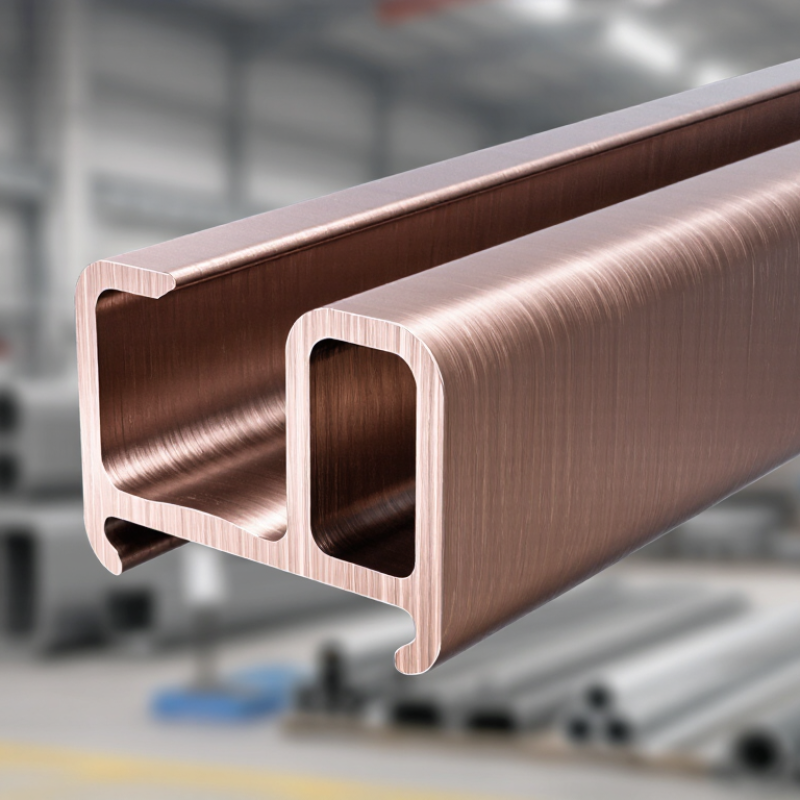
An anodized aluminum profile is an extruded section with an electrochemically formed oxide layer on its surface. Its shape may include narrow channels, grooves, or hollow chambers designed for a specific assembly. Not merely colored metal. The anodizing process changes the aluminum surface itself rather than simply adding a layer of paint.
Several details define the finished profile. The alloy and temper affect strength, machinability, and how evenly the surface anodizes. Cross-sectional dimensions and tolerances determine whether parts fit together as intended. The oxide layer’s thickness, color, and sealing quality also matter. An unsealed surface may be more vulnerable to staining, while a sealed layer generally offers better resistance to everyday handling. Requirements vary by application, so appearance alone is not enough.
In practice, inspect the profile under consistent lighting. Look for uneven color, scratches, and marks around cut ends or drilled holes. These areas can reveal handling damage or differences in surface treatment. Color can vary slightly between production batches, even when the nominal finish is the same. That detail is easy to overlook. A clear specification should state dimensions, finish, and performance needs, but it may still leave room for judgment during visual inspection.
An anodized aluminum profile is aluminum whose outer surface has been electrochemically converted into an oxide layer. During anodizing, the cleaned profile is placed in an electrolyte, and an electric current encourages this conversion. The oxide becomes part of the metal surface, rather than sitting on top like ordinary paint. Not a paint film. The change is subtle at first: a bare silver profile may become matte, satin, or visibly colored, depending on preparation and finishing.
The fresh oxide layer has tiny pores. These can accept dyes, then be sealed to help resist staining and corrosion. The result is often harder and more durable than untreated aluminum, though it is not scratch-proof. A dragged metal tool can still leave a mark. In practical inspection, look along the profile under steady light; slight shade differences may appear between batches, or near edges and corners. Alloy composition, surface cleaning, and process settings all affect the finish. Anodizing does not hide every flaw, and expecting a perfectly identical color across every length can be unrealistic. That limitation matters. A sample finished from the same alloy and process is a useful reference, but it may not predict every production run exactly.
What Is an Anodized Aluminum Profile?
What Properties Does the Anodized Layer Provide?
An anodized profile has an aluminum oxide layer formed from its own surface through an electrochemical process. Unlike paint, this layer is integrated with the metal, so it does not simply peel away as a separate film. It can help resist corrosion and everyday abrasion. It also accepts dyes, allowing finishes from clear silver to dark bronze.
Thickness matters. AAMA 611-20, an industry specification for architectural anodized aluminum, sets minimum coating thicknesses of 18 micrometers for Class I and 10 micrometers for Class II finishes. These figures describe coating requirements, not a guaranteed service life. Exposure, alloy, cleaning, and installation all affect performance. A coastal frame facing salt spray may age differently from an indoor trim piece.
The layer also provides electrical insulation and helps the surface retain its appearance under sunlight. But anodizing is not magic. Still, it can disappoint. Sharp handling can scratch a finish, and uneven alloy chemistry may create visible color variation. That detail is easy to overlook when selecting a profile from a small sample. Checking the applicable specification and inspecting the actual finish are practical steps.
An anodized aluminum profile has an electrochemically grown aluminum oxide layer on its surface. Typical coating thickness varies by application: decorative sulfuric anodizing is often about 5–25 μm, architectural coatings about 10–25 μm, and hard anodizing about 25–100 μm. The oxide layer can improve corrosion and wear resistance; sealing helps protect the porous coating and retain dyes. Actual specifications vary with the alloy and application.
An anodized aluminum profile has an oxide layer formed by an electrochemical process. The treatment can protect the surface while preserving its metallic character. Common finishes include clear, black, bronze, champagne, and other dyed colors. Clear anodizing usually leaves the aluminum’s natural tone visible, though the alloy and surface preparation affect its final appearance. It is not always perfectly colorless.
Texture matters too. A satin or matte finish softens reflections, while a brighter finish shows sharper highlights. These describe surface appearance, not separate colors. Black and bronze finishes are widely used on window frames, doors, and decorative profiles. Color can vary between production batches. Small differences matter.
For a dependable choice, review a sample made from the same alloy and process as the finished profile. Lighting can make bronze appear warmer or darker, especially beside glass. The extrusion’s grain, pretreatment, and anodizing method also influence the result. Anodizing is durable, but it is not scratch-proof, and some dyed colors may change with prolonged sunlight exposure. I would avoid choosing by a screen image alone. Inspect the sample outdoors, then compare it with nearby materials before specifying the finish.
| Finish | Typical Appearance | How It Is Commonly Produced | Key Characteristics | Common Applications |
|---|---|---|---|---|
| Clear (Natural) | Transparent to slightly silver or gray; the aluminum’s natural metallic appearance remains visible. | The aluminum is anodized to form an oxide layer, then commonly sealed without adding a colorant. | Maintains a clean metallic look and improves resistance to corrosion and surface wear. The final shade can vary with alloy and surface preparation. | Window and door frames, architectural profiles, trim, and general-purpose extrusions. |
| Black | Deep black, usually with a metallic sheen; gloss level depends on the original surface finish. | Color is commonly introduced by dyeing the porous anodic layer before sealing. | Offers a strong, consistent dark appearance. Color uniformity can be affected by alloy, profile shape, and processing conditions. | Architectural frames, lighting components, equipment housings, and decorative trim. |
| Bronze | Ranges from light bronze to dark brown, depending on the process and color specification. | Often produced through electrolytic coloring after anodizing; dye-based methods may also be used. | Provides a warm metallic appearance. Different shades may be specified, but matching across batches requires controlled processing. | Building facades, window systems, doors, and other architectural profiles. |
| Champagne | Light warm gold or pale bronze with a subtle metallic appearance. | Usually created with a light electrolytic color or a suitable dye, followed by sealing. | A softer alternative to darker bronze or black. The exact tone varies by supplier process and aluminum alloy. | Interior trim, architectural framing, furniture components, and decorative profiles. |
| Gold | Yellow-gold to bronze-gold; metallic character remains visible. | Commonly achieved by coloring the anodic layer with dyes or an electrolytic coloring process. | Creates a decorative colored finish while retaining the underlying anodized surface. Color and brightness depend on the process and substrate. | Decorative trim, display systems, furniture details, and selected architectural features. |
| Other Colors | May include red, blue, green, and other dyed shades; availability depends on the anodizing process. | Typically produced by dyeing the porous anodic layer before sealing. | Color choices and lightfastness vary. Some dyes are less suitable for prolonged outdoor exposure, so confirm the application requirements with the finisher. | Indoor fixtures, consumer products, signage components, and specialized design applications. |
What is an anodized aluminum profile? It is an aluminum extrusion whose surface has been electrochemically converted into an aluminum oxide layer. This layer is integrated with the metal rather than applied as a separate paint film. Appearance and performance depend on alloy, surface preparation, coating specification, coloring method, and sealing. Brushed, polished, and matte describe surface textures; they are not colors and may be combined with anodizing.
An anodized aluminum profile is an extruded section whose surface has been treated electrochemically to form a durable oxide layer. The finish can improve resistance to weathering and wear, while retaining aluminum’s relatively low weight. It appears in window frames, curtain walls, door rails, and interior partitions. Look closely at a storefront: slim, dark-finished mullions hold glass panels while keeping the frame visually light.
The range extends beyond buildings. Profiles also support solar panels, machine guards, equipment frames, and modular shelving, where straight edges and repeatable dimensions matter. The International Aluminium Institute reports that building and construction account for roughly one-quarter of global aluminum use; this figure covers aluminum broadly, not anodized profiles alone. A profile’s suitability still depends on the setting. Coastal salt, frequent handling, or abrasive cleaning can affect finishes, and anodizing does not make a component maintenance-free. That detail is easy to overlook. In practice, designers specify the alloy, coating thickness, and finish to match exposure and appearance, then check joints and cut edges, where protection may differ from the visible surface.
