
10 Best Heavy Duty Sliding and Folding Doors to Buy

A large doorway can change how a room feels, but a heavy door also puts real demands on its frame, rollers, hinges, and track. This guide compares 10 Heavy-Duty Sliding & Folding Doors for homeowners planning wider openings, busy entryways, or flexible indoor-outdoor spaces. The options are considered by practical details: panel materials, stated weight capacity, hardware quality, weather seals, available sizes, and warranty terms. These details matter. A smooth showroom demonstration cannot show how a door will perform after years of daily use.

Before choosing, measure the opening and check the manufacturer’s installation requirements. A few millimeters can affect alignment, and uneven flooring may cause panels to bind. Look closely at track design, replacement-part availability, and whether the system needs professional installation. For exposed openings, assess drainage and seals; for interior rooms, consider noise, light, and how much clear space the panels need when folded or stacked. Compare specifications carefully. “Heavy-duty” is not a universal rating, so confirm the documented capacity for the exact configuration you plan to buy. Still, no door is perfect. A stronger system may cost more, while a sleek, light-looking option may need more careful maintenance. This shortlist aims to make those trade-offs easier to see, not to promise a flawless fit for every home. Check the measurements twice.
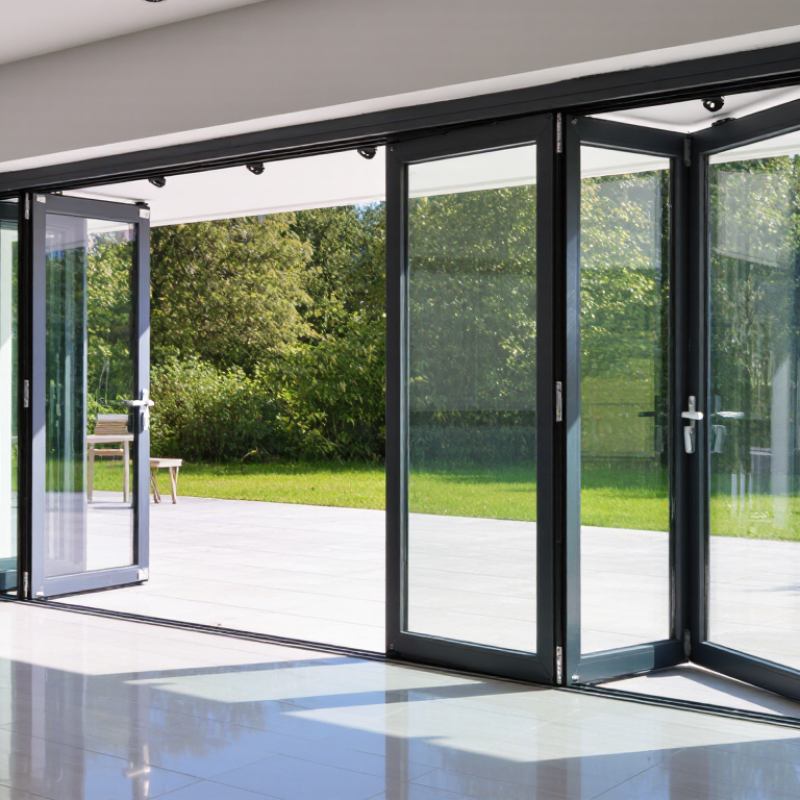
10 Best Heavy Duty Sliding and Folding Doors to Buy

What Defines a Heavy-Duty Sliding or Folding Door

A heavy-duty sliding or folding door is defined by its structure and hardware, not by a bold label. The frame should resist twisting when large panels move, while rollers, hinges, and locks must suit the door’s weight and expected use. Check the manufacturer’s stated panel limits and duty-cycle testing, if available. Those details are more useful than appearance alone.

A wide sliding panel needs a properly supported track and rollers that move smoothly without rattling. Load capacity matters. For folding doors, inspect hinge strength, pivot points, and how securely each panel aligns when closed. Hardware that feels loose in a showroom may become frustrating after repeated daily use.

There is a small catch: a strong door can still perform poorly if the opening is uneven or installation is careless. Look for clear guidance on structural support, adjustment, and replacement parts.

Weather seals, drainage, and corrosion-resistant finishes also matter where rain or damp air is common. I would not judge durability from thickness alone; even a substantial frame can hide weak moving parts.

Check the complete system, including the track, fixings, and intended opening size.

Materials, Hardware, and Construction Features

A heavy-duty sliding or folding door is only as dependable as its frame and supporting hardware. Aluminum frames resist moisture and keep profiles relatively slim, while steel offers stiffness but needs a durable protective finish. Solid timber can suit traditional openings, though it requires regular checks for swelling, cracks, and finish wear. Composite frames may balance insulation and maintenance, but their quality varies. Check the manufacturer’s published load ratings rather than judging strength by appearance.

Hardware deserves close attention. Sliding doors need a correctly sized track, sturdy rollers, and a guide that limits sideways movement. Folding systems rely on hinges, pivots, and brackets that carry repeated movement without binding. Stainless or corrosion-resistant components can help in damp or coastal settings. Look for replaceable rollers and accessible adjustment points; small service details matter after installation. Check that the fasteners suit the wall and frame materials, not just the door panel.

Construction details affect daily use. Tight joints, reinforced corners, and continuous weather seals can reduce drafts and rattling, but a seal that is too compressed may make the door difficult to operate. That trade-off is easy to miss. Measure the opening carefully, including floor level and available clearance. A heavy panel can expose an uneven threshold quickly. Even excellent hardware cannot compensate for a poorly prepared opening. I would compare maintenance access and installation requirements alongside appearance; it is tempting to focus on the finish alone.

How to Choose a Door for Your Space and Needs

Choosing a heavy-duty sliding or folding door starts with how the room works each day. Measure the finished opening, not just the framing. Measure twice. Record width at the top, middle, and bottom, then note nearby furniture, switches, and walkways. A wide panel may look impressive, but it can block a dining chair or narrow the route to a patio. Check the wall structure and manufacturer’s stated panel-weight limits before choosing a system.

Glazed doors also affect comfort. The U.S. Department of Energy’s Energy Saver guidance estimates that heat gain and loss through windows account for about 25–30% of residential heating and cooling energy use. That figure concerns windows, not every door, but it shows why glazing deserves attention. Compare National Fenestration Rating Council ratings: a lower U-factor generally means less heat transfer, while solar heat gain matters in sunny rooms. It is tempting to focus on glass area; that can be the wrong priority.

Consider the floor, too. A flush threshold feels convenient, but drainage and weather sealing still matter. Sliding panels need clear space beside the opening; folding panels need room to stack. Ask how rollers, tracks, locks, and seals are rated for the door’s size and expected use. In exposed locations, have a qualified professional assess wind loads and structural support. Small details count: a gritty track or a raised sill can become irritating every day.

Ten Heavy-Duty Sliding and Folding Doors to Consider

Ten Heavy-Duty Sliding and Folding Doors to Consider

For wide openings, compare more than panel weight. Track capacity, rollers, hinges, frame rigidity, and weather seals all affect long-term performance. Ten options worth examining are thermally broken aluminum sliders, steel-framed patio sliders, fiberglass sliders, wood-clad sliders, multi-panel stacking sliders, lift-and-slide systems, aluminum bifolds, timber bifolds, composite folding doors, and interior glass folding doors.

Each suits different conditions. A coastal opening, for example, needs corrosion-resistant hardware; a busy family room needs rollers that stay smooth under repeated use.

Check the measured performance, too. The U.S. Department of Energy’s Energy Saver guidance says heat gain and loss through windows account for 25–30% of home heating and cooling energy use. That figure is not specific to doors, but it matters when selecting doors with large glazed panels.

Compare certified U-factor and solar heat gain coefficient ratings, then verify the tested size matches your planned configuration.

Details matter. A tall folding system may flex if its head support is undersized, even when the panels feel solid. Ask installers how they handle drainage, threshold height, and adjustment after settling.

I would not assume the most elaborate mechanism is automatically the most durable; simple tracks can be easier to maintain, but only when kept clean.

Installation, Maintenance, and Long-Term Performance

Heavy-duty sliding and folding doors perform well when their frames, tracks, and hardware share the load. Before ordering, measure the finished opening at several points; walls and floors are rarely perfectly square. Confirm panel weight, clear opening, stacking direction, and structural support with a qualified installer. A sturdy door can still bind if its track sits slightly out of level. Small errors matter.

Installation should include suitable flashing, drainage, and weather seals, especially where wind-driven rain reaches the sill. Ask the installer to test smooth operation before trim conceals access. For long-term care, brush grit from the tracks and wipe them clean. Inspect rollers, hinges, seals, and locks every few months. Do not force a stiff panel. It is tempting to dismiss a little resistance; it may point to a misaligned roller or worn seal.

Tips: Keep a simple service log. Note noises, water marks, and seasonal changes. Use the lubricant specified for the hardware, since the wrong product may attract dust. A quick inspection helps catch small issues early.