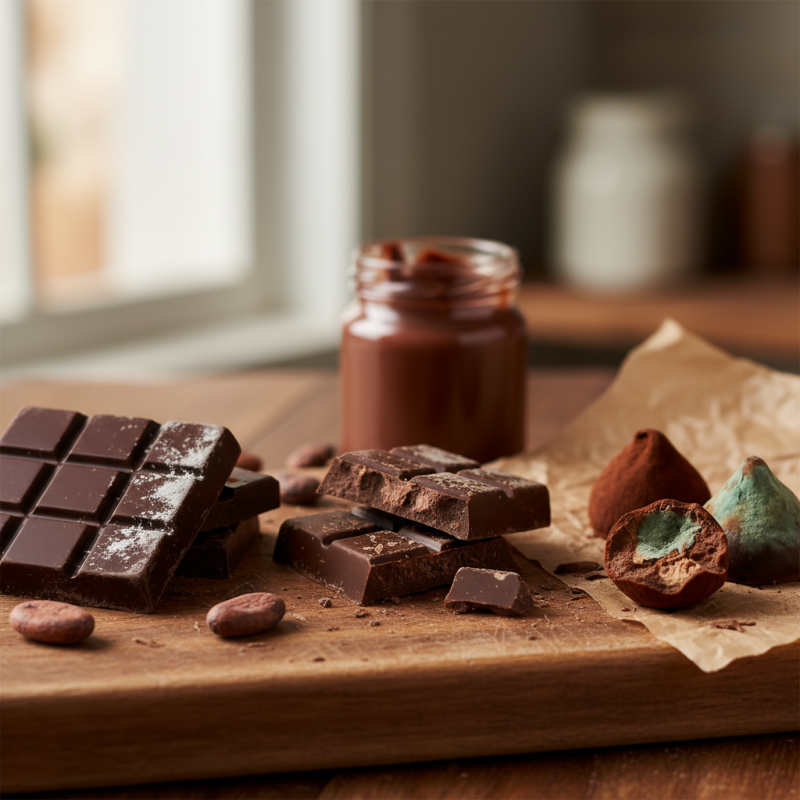
Chocolate Expiration How to Tell if Your Chocolate is Bad?
Chocolate is a beloved treat found in many homes. However, every chocolate lover should be aware of Chocolate expiration and its implications. Proper storage is essential for maintaining chocolate's quality. Yet, many neglect this important aspect.
Chocolate can develop an array of issues over time. It may lose its original flavor or texture. Sometimes, a white film may form on its surface, known as bloom. This does not mean the chocolate is unsafe, yet it can affect the eating experience. Understanding how to identify expired chocolate is crucial for making informed choices.
Various factors influence chocolate expiration, such as type and storage conditions. Dark chocolate tends to have a longer shelf life than milk chocolate. Nevertheless, even the finest chocolate will eventually go bad. Being mindful of these details ensures that every piece you enjoy is fresh and delightful.
Signs of Chocolate Expiration: Understanding the Shelf Life
When it comes to chocolate, understanding its shelf life is essential. Chocolate can last a long time, but it doesn't stay fresh forever. Signs of expiration include changes in texture and appearance. If your chocolate has a white, powdery coating, it might be blooming. This happens when cocoa butter rises to the surface. Though it's safe to eat, it can affect the taste and texture.
Another sign to watch for is an off smell. Fresh chocolate has a rich aroma. If it smells stale or unpleasant, it's best to reconsider eating it. Moreover, taste is essential. Chocolate that tastes waxy or bland may be beyond its prime. It's interesting how chocolate can fracture or crumble, hinting at age. You might find some pieces are uneven.
Keep in mind that while chocolate can be forgiving, time can change it. Pay attention to your senses. Trust your gut feeling. If it doesn’t look or smell right, it’s okay to discard it. Chocolate should bring joy, not confusion.
Chocolate Expiration: Shelf Life and Signs of Spoilage
Physical Changes in Chocolate: Color, Texture, and Aroma Indicators
When chocolate ages, it undergoes noticeable physical changes. The color may fade or darken, indicating oxidation. This can lead to a dull appearance, lacking the vibrant sheen of fresh chocolate. Experts from the National Confectioners Association highlight that chocolate exposed to air shows these signs within months.
Texture is another crucial factor. Fresh chocolate has a smooth, creamy feel. Over time, it may develop a white powdery film known as bloom. This occurs due to the sugar or fat separating and rising to the surface. Such textures make chocolate less appealing. Research from the Chocolate Manufacturers Association reveals that texture impacts consumer perception significantly.
Aroma also plays a role in assessing chocolate quality. Good chocolate offers a rich, inviting scent. As it goes bad, the aroma dulls or changes. A sour or rancid smell may indicate spoilage. According to the International Journal of Food Science, the aroma of chocolate is an essential component of overall flavor perception. Observing these physical signs can help you decide whether to keep or discard your chocolate.
Taste Testing: How to Assess the Flavor of Old Chocolate
Old chocolate can be a gamble for your taste buds. Assessing its flavor effectively can help you decide if it's still worth enjoying. Chocolate can last for a long time, but its quality diminishes over time. According to research, the optimal shelf life of chocolate is typically one to two years, depending on the type and storage conditions.
When evaluating old chocolate, start with a quick visual inspection. Look for any white haze, known as bloom. This does not mean the chocolate is bad, but it may affect the taste. If the chocolate feels greasy or soft, it might have absorbed odors from its packaging. These factors can alter its flavor profile.
Tips: Take a small piece and let it melt on your tongue. Focus on the texture first. Is it smooth or grainy? Next, observe the flavor. A stale chocolate might taste flat or overly sweet. Compare it to a fresh piece if possible. Don't be afraid to discard it if the experience isn’t enjoyable. Remember, your senses can help you make the best choice. Enjoying chocolate should always be a delightful experience!
Storage Tips: Best Practices for Keeping Chocolate Fresh
Chocolate can be delicate. Proper storage is key to keeping it fresh. A cool, dark place is ideal. Avoid exposing chocolate to heat and sunlight. The pantry or a cupboard works well, but not the fridge.
Humidity can ruin chocolate. It can lead to a white film called sugar bloom. This happens when moisture absorbs into the chocolate. If chocolate develops this film, it may look unappealing. However, it’s still safe to eat.
Keep chocolate in an airtight container. This protects it from odors and moisture. Wrapping it tightly in foil or wax paper can help too. Sometimes, you might find old chocolate buried in a drawer. It’s easy to forget about it. Just check for any off smells or discoloration before enjoying it. Regularly inspect your stash to avoid surprises.
Health Risks of Consuming Expired Chocolate: What You Should Know
Chocolate can bring joy, but eating expired chocolate can pose health risks. When chocolate goes bad, it may not always be obvious. Signs of spoilage include an off odor, unusual texture, or white streaks. These white spots are usually cocoa butter blooms, which indicate age but aren't harmful. However, other changes can signal potential issues.
Consuming expired chocolate might lead to foodborne illnesses. Molds or bacteria can grow on old chocolate. Symptoms might include nausea, stomach cramps, or more severe reactions, especially for those with weakened immune systems. Always check the smell and taste before indulging in those sweet treats.
Tips: Always store chocolate in a cool, dry place. A dark cupboard works great. Keep an eye on its expiration date. If it’s months past, think twice before eating. Remember to trust your senses. If it looks or smells off, it’s better to discard it. Even the best chocolate can go bad if stored improperly.