What is Home Textile Fabric and How to Choose It?
Choosing the right home textile fabric can greatly influence your living space. Home textile fabric is more than just a decorative element; it impacts comfort and functionality as well. With countless options available, making the right choice seems overwhelming at times.
When selecting home textile fabric, consider the texture, durability, and maintenance. Different materials, like cotton, linen, and polyester, offer distinct advantages and drawbacks. Soft cotton feels cozy but might wear out faster. Polyester blends resist stains, yet they can lack the breathability of natural fibers.
While it's tempting to focus solely on aesthetics, overlook the practical aspects at your own risk. Fabrics that easily collect dust may not suit allergy sufferers. Choosing vibrant colors can brighten a room, but they may fade over time. A thoughtful approach to home textile fabric can enhance your living space significantly. Think carefully about your choices; sometimes, the best option isn't what you initially imagined.
What is Home Textile Fabric?
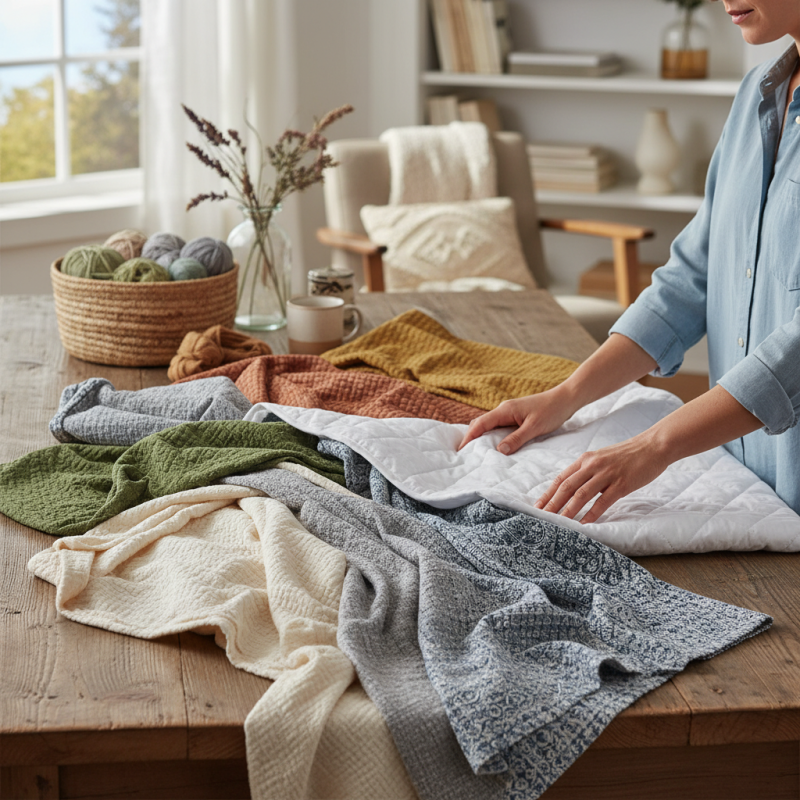
Home textile fabric refers to the materials used to create household items, like curtains, bed linens, and upholstery. These fabrics play a crucial role in defining a home's aesthetic and comfort. Common types include cotton, linen, polyester, and blends, each offering unique properties. For example, cotton is soft and breathable, making it ideal for bedding. Linen, while elegant, can wrinkle easily. Handling different fabrics can be tricky; some require special care.
Choosing the right home textile fabric is essential. Consider the room's function. For high-traffic areas, you might prefer durable fabrics like polyester. On the other hand, bedrooms could benefit from softer choices like cotton or linen. Color and pattern also matter. Darker shades may hide stains better but can feel heavy. Bright colors can uplift a space but may fade over time.
Remember, every fabric has its pros and cons. It's vital to think about maintenance. Some fabrics need frequent washing, while others may require dry cleaning. Reflecting on these details can help you make better choices. It's a learning process, and getting it right might take time.
Types of Home Textile Fabrics Available in the Market
Home textile fabrics come in various types, each serving distinct purposes. Cotton is a popular choice for its softness and breathability. It is perfect for bed linens and curtains. Linen, on the other hand, offers a rustic look. It is highly absorbent but can wrinkle easily. Opting for linen may require more maintenance.
Synthetic fabrics like polyester are also widely available. They are durable and often stain-resistant. Many people choose these for upholstery and decorative pillows. However, they may lack the comfort of natural fibers. While they come in vibrant patterns, they can sometimes feel less cozy.
Blends, such as cotton-polyester, combine the strengths of both. They offer ease of care and comfort. Choosing the right fabric can be overwhelming. You might connect emotionally with particular textures. Don’t forget to think of your lifestyle, too. A fabric that is easy to clean might be more suitable for families. Reflecting and comparing options can lead to a satisfying choice.
Factors to Consider When Choosing Home Textile Fabrics
Choosing home textile fabrics can be overwhelming. There are many factors to consider. It's not just about the look; it's about how it feels and functions. Start with the fabric type. Cotton is breathable and easy to clean. Linen has a relaxed vibe but wrinkles quickly. Synthetic fabrics can be durable but often lack the softness found in natural fibers.
Next, consider color and pattern. Lighter shades can make a room feel spacious. Bold patterns may add personality but can overwhelm smaller spaces. Think about how it will match your existing decor. Textures also matter. A plush fabric adds warmth, while a smooth fabric can create a calming atmosphere. Don't forget about maintenance. Some fabrics require special care, which can be a hassle.
Lastly, price plays a significant role. Quality fabrics can be more expensive but last longer. Cheaper options might not hold up well. Reflect on your budget and needs. It's easy to get drawn into trends that may not suit your lifestyle. Take your time to explore options before making a choice. The right fabric can transform your space but input involves careful thought.
Care and Maintenance Tips for Home Textile Fabrics
Home textile fabrics require proper care to maintain their beauty and durability. Regular washing is essential. According to industry reports, textiles can lose up to 30% of their life expectancy without proper care. Always check the label for washing instructions. Delicate fabrics may need gentle cycles. Avoid high heat when drying. Air drying can prolong the fabric’s lifespan.
Stains occur, and knowing how to treat them is key. For natural fibers, use mild detergents for spot cleaning. Synthetic fabrics can be more forgiving. A simple mix of vinegar and water can work wonders. However, some stains can be stubborn, and improper cleaning may set them permanently. Acknowledging that mistakes happen helps in the learning process.
Storage also plays a crucial role. Avoid folding heavy fabrics, which can lead to permanent creases. Instead, roll them for storage. Dust is the enemy of aesthetics; regular vacuuming prevents buildup. Experts suggest that homes with pets or children should have a specific cleaning schedule. Overlooked areas can lead to unseen damage. Each piece deserves attention for lasting beauty.
Home Textile Fabric Material Comparison
This bar chart compares the durability of different home textile fabrics such as cotton, polyester, linen, silk, and wool on a scale of 1 to 10. When choosing home textile fabrics, consider their durability among other factors for care and maintenance.
Trends in Home Textile Fabrics for Modern Interiors
Modern interior design embraces home textile fabrics that blend functionality with aesthetics. Recent industry reports indicate a growing interest in sustainable materials. Fabrics made from organic cotton and recycled fibers are becoming increasingly popular. Consumers are willing to spend more on eco-friendly options, with a 25% increase noted in the past year alone.
When choosing home textiles, consider texture and color carefully. Fabrics should complement existing decor. Velvet and linen are trending, offering tactile variety and visual appeal. Natural fibers remain in demand, reflecting a shift towards a more sustainable lifestyle. However, it’s essential to assess care requirements. Some fabrics may need special washing or maintenance.
Tips: Always test fabric swatches in your home. Lighting can change how colors appear. Keep in mind that trends can evolve quickly. While certain styles may be in vogue now, they may not last. Focus on what resonates with your unique taste and lifestyle. Lastly, remember that layering textiles can add depth, but balance is essential. Too many patterns can overwhelm a space.